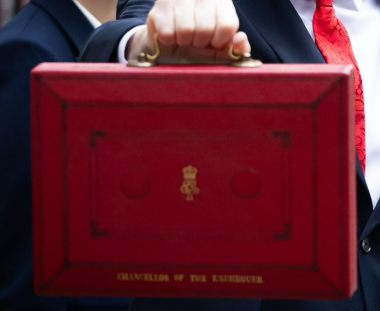
While there wasn’t one dramatic change affecting every company, the Autumn Budget 2026 included several announcements that could influence how you take money from your business, invest for the future and plan for an eventual sale or succession.
Dividend taxation
There was no further increase to Dividend Tax announced in the Autumn 2026 Budget. The previously announced increases to the basic and higher rates took effect on 6 April 2026.
The Dividend Tax rates for 2026/27, which remain unchanged for 2027/28, are:
- 10.75% basic rate;
- 35.75% higher rate; and
- 39.35% additional rate.
The Dividend Allowance remains at just £500.
For owner-managed businesses, this makes it increasingly important to consider salary, dividends and pension funding together, rather than looking at each in isolation.
Employer pension contributions
The standard pension Annual Allowance remains at £60,000, although a lower allowance can apply to higher earners or those who have already flexibly accessed their pensions.
For profitable companies, employer pension contributions can remain a tax-efficient way of extracting value from the business while building personal retirement savings.
Contributions are generally deductible for Corporation Tax purposes, provided the relevant conditions are met, and can offer advantages over taking the equivalent amount as salary or dividends.
The amount that can be contributed tax-efficiently will depend on your circumstances, so it’s worth reviewing your available allowances before making substantial contributions.
Selling or passing on your business
There were some important announcements for business owners considering a future sale or succession.
From 6 April 2027, the lifetime limit for gains qualifying for Business Asset Disposal Relief (BADR) is due to fall from £1 million to £500,000. Qualifying gains benefit from an 18% Capital Gains Tax rate, so the reduction could increase the tax payable when selling a business. Previous qualifying gains on which relief has been claimed will count towards the reduced lifetime limit; this is not a fresh £500,000 allowance.
The Government has also proposed a new Founders’ Relief from April 2027, offering a 10% Capital Gains Tax rate on up to £10 million of qualifying lifetime gains. However, this is intended for founders and early investors in certain high-growth, innovative businesses, rather than business owners generally. The detailed eligibility rules are still being finalised.
There are also changes affecting business succession and the transfer of shares to family members.
Previously announced changes to Capital Gains Tax gift hold-over relief are due from April 2027, which could affect the tax treatment of gifting shares in businesses that hold non-trading assets.
Further reforms to the taxation of company distributions, including share buy-backs and certain reorganisations, are planned from April 2028. The details are subject to consultation.
Inheritance Tax is another important consideration. Under changes already effective from April 2026, a combined £2.5 million allowance per individual applies to qualifying agricultural and business assets eligible for 100% relief, with qualifying value above the available allowance generally receiving 50% relief. Unused allowance can be transferred to a surviving spouse or civil partner, subject to the applicable rules.
Taken together, these changes reinforce the importance of planning a business exit or succession well in advance, rather than waiting until a sale or transfer is imminent.
Employee share options
The Company Share Option Plan (CSOP) was rebranded as EMI2 on 28 October 2026, although CSOP remains its name in legislation. Enhanced limits are due to take effect from 6 April 2027.
The maximum value of shares over which an employee can hold options, measured using their market value when the options are granted, is due to increase from £60,000 to £120,000. The maximum period for exercising options while retaining tax advantages is also due to extend from 10 to 15 years, subject to the scheme rules.
This could give businesses greater flexibility to use tax-advantaged share options to attract, reward and retain employees.
National Minimum Wage increases
The Government has confirmed increases to the National Minimum Wage and National Living Wage from 1 April 2027.
The National Living Wage for employees aged 21 and over will rise from £12.71 to £13.21 per hour, an increase of 3.9%.
The minimum hourly rate for 18–20-year-olds will increase from £10.85 to £11.27, while the rates for 16–17-year-olds and eligible apprentices will rise from £8.00 to £8.31.
For businesses employing staff, particularly those with a significant number of employees on lower wages, these increases will add to employment costs.
Business owners may therefore want to review staffing budgets and cashflow forecasts ahead of April 2027, taking into account the wider costs of employment, including employer National Insurance and pension contributions.
Support for certain small businesses
The Budget included additional support for businesses in the retail, hospitality and leisure sectors.
In England, the Government is increasing Small Business Rate Relief for qualifying businesses in these sectors from April 2027, with an additional 70,000 businesses expected to pay no business rates. The rateable value threshold for full relief will increase from £12,000 to £18,000 for qualifying properties, with tapered relief available above £18,000 and below £21,000.
Other qualifying businesses in these sectors in England will benefit from a two-year freeze in business rates in real terms for 2027/28 and 2028/29, with bill increases generally capped at CPI inflation. This is subject to eligibility and exceptions: increases arising from property improvements or the loss of certain other reliefs are not covered.
Additional support was also announced for pubs, social clubs and qualifying live music venues.
Clearly, these measures will be more relevant to some businesses than others.
Investing in your business
The Budget also included changes to capital allowances, which determine how businesses receive tax relief on qualifying investment in equipment and other assets.
From 1 January 2027, the main-rate first-year allowance for qualifying expenditure is due to increase from 40% to 50%. However, the main-rate writing-down allowance is due to fall from 14% to 12% from 1 April 2027 for Corporation Tax and 6 April 2027 for Income Tax, slowing tax relief on expenditure covered by that allowance. Transitional rates will apply to accounting periods spanning those dates. Full expensing and the £1 million Annual Investment Allowance remain available, so the impact will depend on which reliefs the business can claim.
If you’re planning significant expenditure within your company, it may be worth discussing the timing and tax treatment with your accountant before committing.
What does this mean for you?
For many business owners, their company represents a significant proportion of their overall wealth. The business and your personal financial planning therefore shouldn’t be considered completely separately.
This may be a good opportunity to review:
- How you take income from the company, including salary, dividends and pension contributions;
- Cash being retained within the business and whether it is needed for future investment;
- Personal savings and investments outside the company;
- Business protection and succession arrangements;
- Employment costs and staff remuneration; and
- The timing and structure of an eventual sale or exit.
The key is to make sure your business decisions and personal financial plans work together. Coordinating advice between your accountant and financial planner can help you make the most of the opportunities available while preparing for the longer term.
Thank you,
The Citygate FP Team
Citygate Financial Planning Limited (trading as Citygate Financial Planning) is registered in England and Wales under company number 9188423, with its registered office at 80 Coleman Street, London, EC2R 5BJ. Citygate Financial Planning Limited is authorised and regulated by the Financial Conduct Authority (Firm Reference Number 647956).