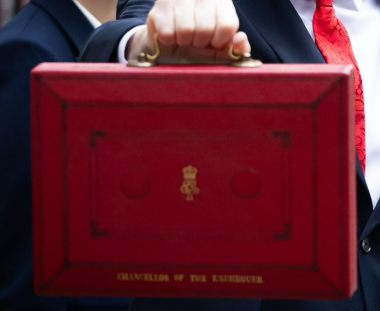
The Autumn Budget 2026 included several measures aimed at easing pressure on household finances, from energy bills and transport costs to food prices and additional support for families and carers.
While not every announcement will affect everyone, there are some changes worth being aware of when reviewing your household budget.
Help with energy bills
A new £100 Household Energy Payment will be available from January 2027 for eligible households living in their main home in Council Tax bands A to D in England.
If you pay Council Tax by Direct Debit, the payment should be made automatically into your bank account. Otherwise, your council will invite you to apply.
Scotland, Wales and Northern Ireland will receive funding, with their governments deciding how to provide comparable support locally.
The Government has also announced an additional £100 million of discretionary support for households struggling with energy costs, including those that may not qualify for the standard payment.
The temporary 0% VAT rate on domestic electricity has been extended until 1 July 2027. The Government estimates this will reduce the annual Ofgem energy price cap by around £50 in April 2027, although individual savings will depend on energy usage.
Separately, Ofgem has been asked to remove standing charges from household gas bills as early as 2027. However, the costs would instead be recovered through the price charged for the gas you use, so this will not necessarily mean a saving for every household.
Eligible lower-income households may also continue to benefit from the existing £150 Warm Home Discount, which provides additional support with electricity costs.
The Government has also announced targeted support for vulnerable households with historic energy debts, with further details of the arrangements to follow.
Fuel duty and transport costs
For motorists, the temporary 5p-per-litre Fuel Duty cut has been extended, with the planned inflation-linked increase also deferred until 1 July 2027.
This keeps the duty element of petrol and diesel costs down for longer, although prices at the pump can still change.
For those using public transport, the Government has also confirmed that the £2 cap on single bus fares in England outside London will continue throughout 2027 on participating services.
Food and grocery costs
The Government has announced the temporary suspension of import tariffs on more than 100 food products, including baked beans, dried fruit, chocolate and plant-based drinks.
The intention is to reduce costs for retailers and consumers, helping to ease some of the pressure on household grocery bills.
The tariff suspensions are expected to remain in place until December 2028, although the extent to which savings are passed on to consumers will depend on retailers and wider food prices.
Support for parents and carers
The Budget also included announcements aimed at providing greater financial support and flexibility for families.
From April 2029, the Government plans to introduce a new Parental Allowance for eligible fathers, partners and adopters in Great Britain, including self-employed parents who may not currently qualify for statutory parental pay.
The intention is to provide more families with financial support when taking time away from work following the arrival of a child. Further details of eligibility and payment arrangements will follow.
For unpaid carers, changes are also planned to Carer’s Allowance during 2030/31.
Currently, exceeding the weekly earnings limit can result in the entire allowance being lost. The proposed reforms will introduce a more gradual reduction in payments, rather than removing entitlement immediately when earnings exceed the threshold.
These are longer-term changes rather than additional support available immediately, but they could provide greater flexibility for families balancing employment and caring responsibilities.
What does this mean for you?
Although the measures will affect households differently, the Budget provides an opportunity to review everyday spending and make sure you’re receiving any support available to you.
In particular, it may be worth reviewing:
- Energy costs: whether you qualify for the new Household Energy Payment, Warm Home Discount or other available support, and how changes to energy bills could affect your budget;
- Transport costs: how the extension of fuel duty relief and public transport fare caps could affect your spending;
- Household expenditure: how changes to energy and food costs may influence your monthly budget;
- Family support: whether forthcoming parental or carers’ arrangements could be relevant to your circumstances; and
- Household budgeting: ensuring you have sufficient accessible savings to manage unexpected costs and changes in expenditure.
The key is to make sure your household finances remain manageable today while continuing to support your longer-term financial plans.
Thank you,
The Citygate FP Team
Citygate Financial Planning Limited (trading as Citygate Financial Planning) is registered in England and Wales under company number 9188423, with its registered office at 80 Coleman Street, London, EC2R 5BJ. Citygate Financial Planning Limited is authorised and regulated by the Financial Conduct Authority (Firm Reference Number 647956).